A professional home inspection often uncovers issues that homeowners may not even realize exist. Understanding common inspection findings helps buyers prepare and sellers address problems early.
Here are the seven most common problems found during home inspections.
1. Roofing Issues
Roof problems are among the most frequent inspection findings. Inspectors look for:
- Missing or damaged shingles
- Improper flashing
- Signs of leaks
- Poor drainage
Roof repairs can be costly, making this one of the most critical areas during inspection.
2. Foundation and Structural Cracks
Small cracks may be normal, but large cracks or uneven floors can indicate structural movement. A home inspector evaluates the foundation for stability and potential risks.
3. Plumbing Problems
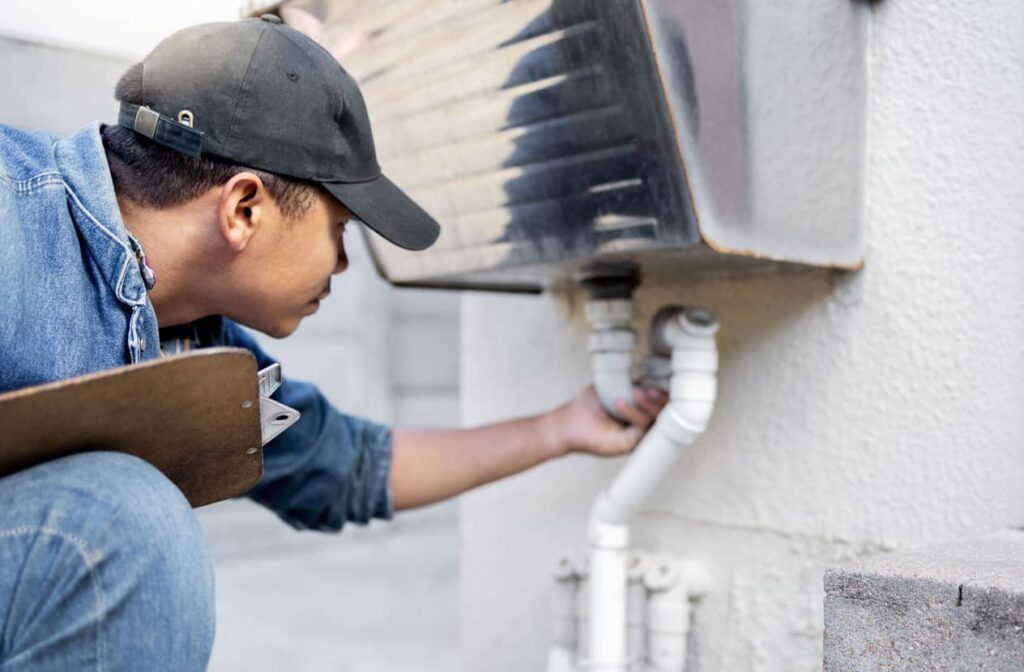
Common plumbing issues include:
- Leaking pipes
- Low water pressure
- Outdated piping materials
- Water heater defects
These problems can lead to water damage if not addressed promptly.
4. Electrical Hazards
Electrical safety is essential. Inspectors frequently find:
- Outdated wiring
- Overloaded panels
- Missing GFCI outlets
- Improper installations
Electrical defects are serious fire hazards and should be corrected immediately.
5. HVAC System Concerns
Heating and cooling systems are expensive to replace. Inspectors check:
- Furnace performance
- AC functionality
- Ventilation efficiency
- Filter condition
An aging HVAC system may still function but could require replacement soon.
6. Moisture and Mold
Moisture intrusion can lead to mold growth and structural damage. Inspectors look for:
- Basement dampness
- Poor ventilation
- Roof leaks
- Plumbing leaks
Early detection prevents costly remediation.
7. Poor Drainage and Exterior Issues
Improper grading around the home can direct water toward the foundation. Inspectors evaluate gutters, downspouts, siding, and landscaping to prevent long-term damage.
Why These Findings Matter
Not every issue is a deal breaker. However, understanding these common problems allows buyers to:
- Negotiate repairs
- Budget for future maintenance
- Make informed purchasing decisions
For sellers, a pre-listing home inspection can help fix issues before putting the property on the market.
Conclusion
Home inspections reveal both minor defects and major concerns. Identifying these issues early protects your investment and ensures long-term safety.
Scheduling a professional home inspection is the best way to avoid unexpected repair costs and ensure your property is structurally sound.